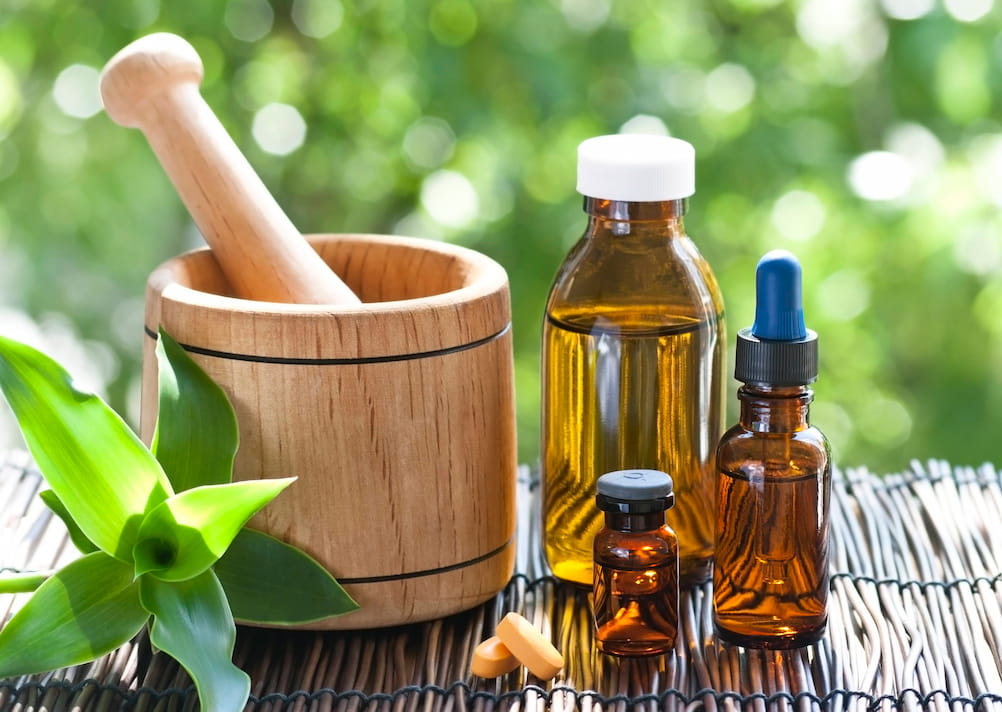
The integration of natural products into medicine has deep historical roots, and their resurgence in contemporary healthcare underscores a growing recognition of their myriad benefits. These natural products, ranging from plant extracts to minerals and animal-derived components, offer a diverse palette of therapeutic properties that have significantly influenced medical practices globally.
Diversity of Bioactive Compounds
Natural products are celebrated for their vast array of bioactive compounds, which can provide unique therapeutic benefits. These substances often contain complex chemical structures that are not easily replicated in synthetic analogs. For instance, the bark of the willow tree contains salicin, which was used to develop aspirin, one of the most widely used medications globally. The diversity of these compounds offers a broad spectrum of applications, from anti-inflammatory agents to anti-carcinogenic treatments, providing essential options for drug development and disease management.
Lower Side Effects
Natural products are preferred for their safety profile, often exhibiting fewer side effects than synthetic drugs. This is particularly significant in long-term therapies, where the cumulative effect of drug-induced side effects can be detrimental. For example, turmeric has anti-inflammatory properties and is used to treat various ailments with minimal side effects. The gentle action of many natural products makes them suitable for a wider range of people, including those who might be more sensitive to the potent effects of synthetic drugs.
Holistic Approaches
Natural products, such as CBD mushroom gummies, often fit well within holistic approaches to health, which emphasize treating the whole person rather than just a disease. This philosophy aligns with many traditional medicine systems, such as Ayurveda and Traditional Chinese Medicine, which use natural products extensively. These systems consider the physical, emotional, and spiritual health of the patient, using natural remedies to restore balance and health comprehensively.
Cost-Effectiveness
In many cases, natural products provide a cost-effective alternative to synthetic drugs, particularly in low-resource settings. Many herbs, spices, and other natural substances are readily available and do not require complex manufacturing. This accessibility can make health care more affordable and widely available, particularly in developing countries where the cost of synthetic medications may be prohibitive.
Sustainability and Biodiversity
Utilizing natural products can promote sustainability and biodiversity. Many medicinal plants can be harvested sustainably and grown in a variety of ecosystems, supporting local agriculture and economies. Moreover, the use of natural products can encourage the preservation of biodiversity as the value of these plants becomes recognized, promoting conservation efforts and sustainable practices.
Integration with Modern Medicine
The integration of natural products with modern medicine can enhance treatment outcomes through complementary actions. For example, ginger might reduce nausea in chemotherapy patients, while Ginkgo biloba is studied for its potential to improve cognitive function in dementia patients. This integration allows practitioners to offer more comprehensive care options, leveraging the best of both conventional and natural therapies.
Despite these benefits, the use of natural products in medicine requires careful consideration regarding dosage, purity, and potential interactions with other medications. Rigorous scientific research and regulation are crucial to ensure that these products are both safe and effective. As the healthcare landscape continues to evolve, the role of natural products is likely to expand, driven by an increasing body of research and a greater consumer preference for natural health solutions. This trend underscores a return to nature within the medical field, promising a more integrated and holistic approach to health and wellness.
Did you find this helpful? Check out our other helpful articles on our website.
Read Also
- Top Trends Shaping the Future of Mental Health Care
 Mental health care is moving fast to meet daily human needs. People want direct care that fits modern life. Clinics respond by creating flexible options that make healing easier to reach. Providers look past rigid habits to give people solid care. From smart tools to body wellness, these changes help people find relief when life… Read more: Top Trends Shaping the Future of Mental Health Care
 - Full-Arch Dental Tourism: Why UK Patients With Severe Bone Loss Are Looking AbroadDental implants have become one of the fastest-growing segments of private dentistry. Within that market, one patient group behaves very differently from the rest: people who have been told they do not have enough upper jawbone for conventional implants. For these patients, the choice is rarely between one clinic and another. It is between a… Read more: Full-Arch Dental Tourism: Why UK Patients With Severe Bone Loss Are Looking Abroad
- Levels of Mental Health Care and When to Seek SupportMental health care can range from occasional outpatient appointments to 24-hour hospital treatment. The appropriate level depends on safety, symptom severity, daily functioning, medical needs, available support, treatment history and personal preferences. A licensed clinician should assess these factors rather than relying on a symptom list alone. Need help now? In the United States, call… Read more: Levels of Mental Health Care and When to Seek Support
- How to Choose a Shilajit Brand Based on the ResearchIn a randomized trial published in the Journal of the International Society of Sports Nutrition in 2019, 63 active men took 250 mg of standardized shilajit, 500 mg, or a placebo every day for eight weeks, and the benefit for strength retention after a fatiguing workout appeared only at 500 mg. For anyone choosing a… Read more: How to Choose a Shilajit Brand Based on the Research
- How to Incorporate Relaxation into Your Busy ScheduleFinding balance when you have a packed daily agenda often feels out of reach. Between work duties, family obligations, and personal projects, personal rest usually gets pushed to the bottom of the list. Small, intentional shifts in daily habits can help restore calm without requiring hours of extra free time. Continue reading to discover everything… Read more: How to Incorporate Relaxation into Your Busy Schedule
- Red Light Therapy for Skin and Wellness: Meet Vital Red Light TherapyModern wellness is not always about complicated treatments or long routines. Many people are now looking for simple, convenient ways to support their skin, recovery, and overall wellness at home. One technology getting more attention is red light therapy. Red light therapy uses specific wavelengths of red and near-infrared light to support the body’s natural… Read more: Red Light Therapy for Skin and Wellness: Meet Vital Red Light Therapy
- Managing Shock Loss After a Hair Transplant: The Financial and Clinical Imperative of Post-Op CareIn the rapidly evolving landscape of private healthcare, executive leadership within cosmetic and restorative surgery clinics faces a dual challenge: maintaining strict clinical standards while maximizing patient lifetime value (LTV) and brand advocacy. As the global medical tourism and elective procedure markets expand, clinical outcome quality alone is no longer the sole differentiator for premium… Read more: Managing Shock Loss After a Hair Transplant: The Financial and Clinical Imperative of Post-Op Care
- Transform Your Skin Health: Premier Gluta IV Therapy in DubaiThis comprehensive guide explores how modern intravenous wellness treatments can help revitalize your complexion, boost immune function, and support overall cellular health. By incorporating modern IV therapy Dubai services into a routine health regimen, individuals can achieve direct nutrient absorption for optimal results. Selecting a customized gluta IV drip Dubai treatment provides targeted antioxidant defense,… Read more: Transform Your Skin Health: Premier Gluta IV Therapy in Dubai